A high-quality preschool sets the foundation for lifelong learning and development. In this article, we delve into what characteristics define an excellent preschool program and explore why choosing a private preschool might be beneficial for your child.
The Importance of a Stimulating Environment
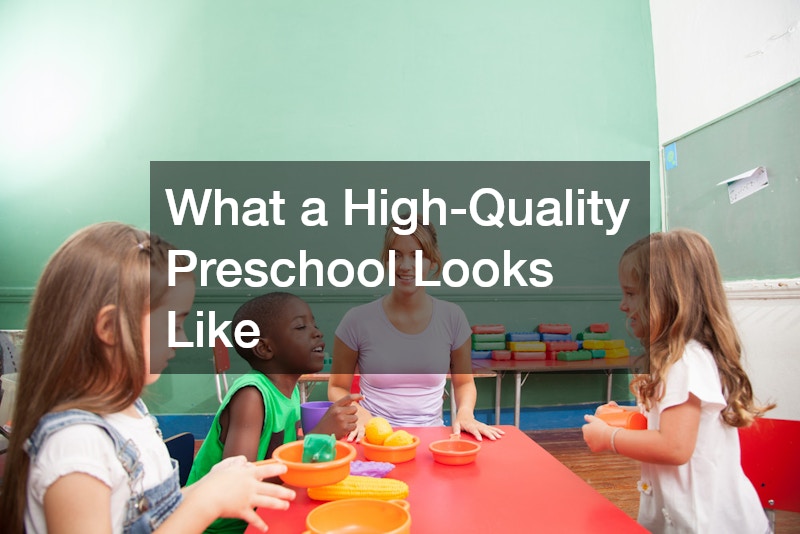
A high-quality preschool offers a stimulating environment that engages children. The classrooms are equipped with age-appropriate learning materials designed to inspire curiosity and exploration.
Children should have access to various resources, such as books, art supplies, and educational toys, that cater to different areas of learning. This environment fosters active participation and encourages children to develop problem-solving skills. Moreover, the design of the preschool should ensure that all areas are accessible and safe, promoting independence among young learners.
Besides traditional learning spaces, outdoor playgrounds, and natural areas within the preschool contribute significantly to a stimulating environment. Engaging outdoor activities encourage physical development and social interaction among peers. For instance, a private preschool might offer gardens where children can actively participate in growing plants, observing changes, and learning about nature. These hands-on experiences are integral in making learning memorable and enjoyable. Additionally, diverse indoor and outdoor environments can help nurture a child’s imagination, allowing them to explore freely and learn from their surroundings.
The safety and organization of a preschool environment are paramount in ensuring it supports a child’s growth. A well-organized space supports structured activities while promoting a sense of security and order. It is essential for preschools to have a well-implemented safety policy that encompasses emergency procedures, clean and hygienic facilities, and secure premises. This focus on safety underlines the preschool’s commitment to fostering a supportive and enriching setting for young learners. Ultimately, a high-quality preschool creates a dynamic and secure environment that encourages children to discover, explore, and grow.
Highly Qualified Educators
At the core of any high-quality preschool are its educators. Highly qualified teachers have specialized training in early childhood education, understanding how to cater to the unique needs of young children. These educators possess a robust knowledge of child development, allowing them to create lesson plans that are age-appropriate and challenging. A private preschool often invests in continuous professional development for teachers to ensure they remain at the forefront of educational strategies and methodologies. This knowledgeable and skilled teaching staff plays a critical role in delivering a high-caliber education to preschoolers.
Interacting with experienced teachers helps children develop critical social and emotional skills. Educators who are adept at communicating and connecting with students can foster a warm and nurturing environment. They provide personalized attention and encouragement, building strong relationships with each child. Moreover, teachers facilitate cooperative play and teamwork, guiding children to respect their classmates and work together harmoniously. Such interactions not only enhance social skills but also instill confidence in the children, preparing them for future academic endeavors.
Besides their educational expertise, high-quality preschool educators are attentive caregivers. They are observant, identifying each child’s strengths and areas for growth, thus providing individualized support. By recognizing the unique attributes and needs of every child, educators can tailor their teaching approach to maximize learning outcomes. Effective teachers are also responsive to parents, engaging them in regular communication about their child’s progress. A strong partnership between educators and parents is essential for reinforcing learning both at school and home, ensuring that children receive well-rounded support.
Comprehensive Curriculum
A high-quality preschool curriculum is designed to encompass all aspects of a child’s development. It integrates a balance of academic, social, and emotional learning objectives, ensuring a holistic approach to education. The curriculum often includes a variety of subjects, from language and literacy to math and science, allowing children to explore different areas of interest. In a private preschool, there may be opportunities for additional enrichment activities such as music, art, and foreign languages. This broad and diverse curriculum captivates children’s interest and aids in the development of diverse skills that are critical in their formative years.
Social-emotional learning is a vital component of the preschool curriculum. Programs that emphasize empathy, self-regulation, and emotional literacy better prepare children for future interactions. Teachers guide students through scenarios that enhance understandings, such as conflict resolution and cooperative play. Children learn to express their feelings constructively, developing interpersonal skills essential for teamwork and effective communication. Recognizing and nurturing emotional intelligence is equally important as academic skills in a high-quality preschool setting.
A comprehensive curriculum also adapts to the changing needs and interests of the children it serves. Teachers continuously assess the progress and engagement of their students, using this information to refine and adjust learning activities. This flexibility ensures that the curriculum remains relevant and exciting for students, while still meeting developmental milestones. Integration of new technologies and teaching methods frequently occurs in top-tier private preschools, keeping pace with the evolving educational landscape. The adaptability of the curriculum underscores a dedication to ongoing improvement and excellence in early childhood education.
Effective Home-School Connection
A strong home-school connection is indispensable in a high-quality preschool’s framework. In effective preschool programs, the partnership between teachers and parents is actively nurtured to enhance the child’s educational experience. Regular communication channels, such as newsletters, parent-teacher meetings, and digital platforms, keep parents informed and engaged in their child’s progress. Preschools often encourage parental involvement in the classroom, inviting them to participate in activities, share their expertise, or support school events, strengthening the preschool community. This cooperative environment amplifies the support network available to young learners, ensuring a cohesive approach to their development.
Family involvement in preschool activities provides parents with a better understanding of the school’s teaching methods and priorities. It helps parents reinforce learning at home, ensuring continuity in the child’s educational journey. As children observe their parents engaging with their schooling, they begin to appreciate the value placed on education, instilling a lifelong love of learning. A private preschool typically goes above and beyond to build inclusive family engagement strategies, recognizing the profound impact this has on child development. Moreover, close collaboration with families allows educators to address individual needs more effectively, creating personalized learning pathways for students.
The home-school connection also fosters a supportive community around each student. Preschools that emphasize this connection often see improved student outcomes as children feel supported both at home and school. A focus on collaborative problem-solving and shared goals can alleviate challenges faced by students, parents, and educators alike. Events such as family workshops and school fairs not only nurture relationships but also create opportunities for parents to learn new parenting skills or acquire insights into developmental strategies. By cultivating a sense of community, high-quality preschools lay the groundwork for a supportive and enriching early educational experience.
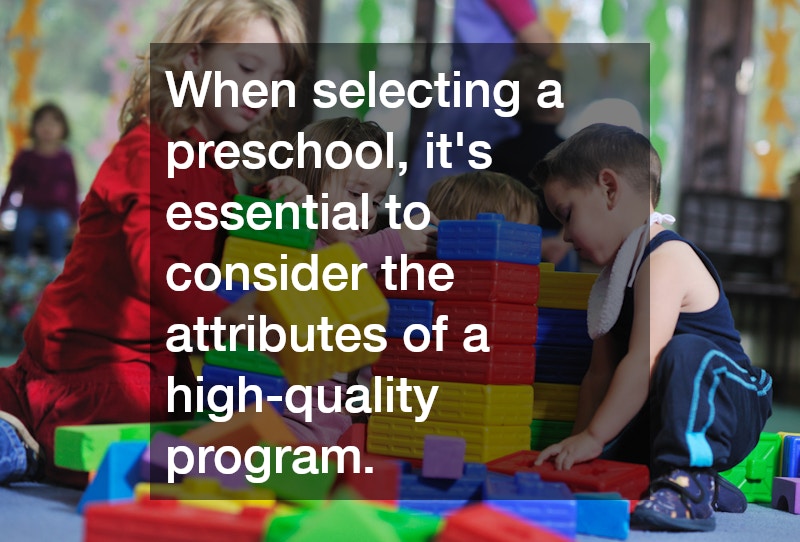
When selecting a preschool, it’s essential to consider the attributes of a high-quality program. From a nurturing and stimulating environment to a curriculum that embraces holistic development, these elements work together to create an impactful learning experience. It’s important to assess the qualifications and enthusiasm of the teaching staff, as they are the backbone of the preschool experience. A strong home-school connection further enriches the educational journey, offering ample support to both the child and parents. Opting for a private preschool may provide additional resources and specialized programs, further enhancing your child’s formative years.
Throughout this article, we have explored the defining characteristics of a high-quality preschool. Understanding these aspects enables parents to make informed choices that align with their values and expectations. In an era where the importance of early childhood education is increasingly recognized, securing the best start for your child is paramount. By prioritizing quality education from the outset, you’re investing in a brighter future for your child, laying the groundwork for academic success and personal well-being. Thus, armed with knowledge, parents can confidently navigate the decision-making process, choosing the ideal preschool environment where their child will flourish.
A commitment to providing comprehensive early education reflects a dedication to nurturing each child’s potential. By advocating for environments that combine safety, innovative teaching, and community engagement, we ensure that every child has access to the foundational learning they deserve. Empowering children through early education not only benefits them individually but also contributes positively to society as a whole. Selecting the right preschool is the first step in a child’s academic journey, and with careful consideration, parents can provide their child with a high-quality start that inspires lifelong learning.