Early childhood education lays the essential groundwork for emotional resilience, intellectual curiosity, and physical well-being. Providing a well-rounded environment requires structured programs that encourage exploration, creative thinking, and collaborative interaction. According to the CDC, schools in 2026 are in a unique position to promote healthy behaviors like physical education and physical activity. By offering diverse activities for young children, modern early learning centers cultivate foundational skills that support holistic development.
Promoting Physical Wellness and Motor Development
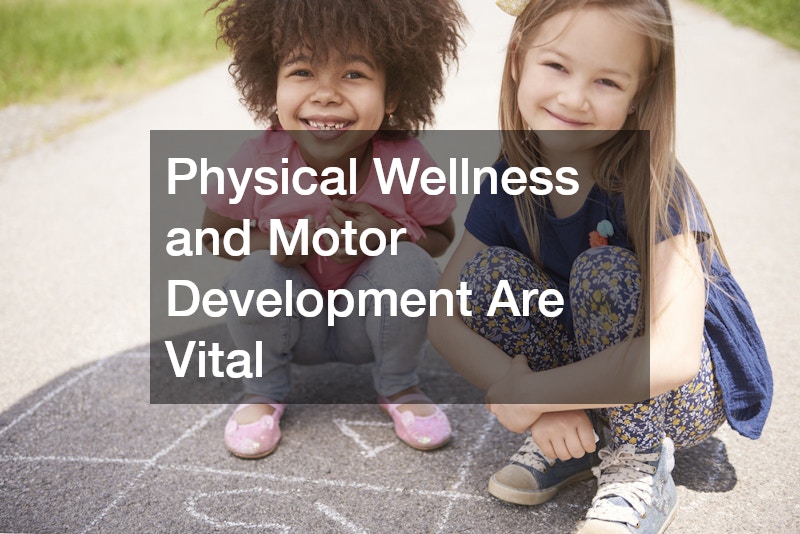
Engaging in daily physical movement is essential for building strength, flexibility, and spatial awareness during early developmental stages. Educational institutions design structured outdoor recreation and indoor movement exercises to enhance both gross and fine motor capabilities. Guided games, obstacle courses, and rhythmic dance routines help students learn body control while releasing energy in a constructive manner. These physical activities for young children encourage healthy habits, improve cardiovascular health, and teach the value of teamwork during group games.
Fostering Artistic Expression and Social Interaction
Creative projects allow students to explore their imagination while developing hand-eye coordination and visual reasoning. Teachers incorporate painting, sculpting, musical rhythm circles, and dramatic play areas to encourage self-expression. Working alongside peers on collaborative art displays teaches children how to share resources, communicate thoughts, and respect diverse perspectives. Integrating expressive activities for young children inside the classroom strengthens social bonds and builds confidence as students learn to share their unique ideas with classmates.
Enhancing Problem-Solving and Cognitive Thinking
Interactive learning centers utilize hands-on materials like building blocks, sensory tables, and simple puzzles to stimulate critical thinking. These tactile experiences help students grasp abstract concepts such as balance, spatial relationships, and basic cause and effect. Guided storytelling sessions and guided nature walks further expand vocabulary and spark curiosity about the surrounding environment. Thoughtfully planned cognitive activities for young children turn foundational academic concepts into exciting discovery opportunities, ensuring that learning remains engaging and joyful.
Selecting an educational partner that prioritizes dynamic early learning experiences ensures your child receives the foundation needed for future academic success.